Key things to look into before your next aesthetic appointment
Start with the clinic's credentials
The first thing to check is who will be carrying out the treatment. In the UK, aesthetic procedures are not always regulated in the same way as general medical care, so it falls on you to confirm the practitioner's qualifications. Look for a recognised medical background - a nurse, doctor, or dentist who has completed additional training in aesthetics. Membership of a professional body, such as the Joint Council of Cosmetic Practitioners or the British Association of Cosmetic Nurses, can also indicate a commitment to standards. If a practitioner is vague about their training or cannot show proof, consider that a red flag.
Understand the treatment menu
Before booking, read through the clinic's treatment list carefully. A reputable provider will offer a clear menu of what they do, from anti-wrinkle injections to dermal fillers, skin peels, and laser treatments. If a clinic seems to push one particular treatment without explaining alternatives, that is worth noting. A good practitioner will discuss the options and explain why a certain approach suits your skin type and goals. They should also be upfront about what results you can realistically expect and how long they might last.
Consultation quality matters
Any serious aesthetic treatment should begin with a proper consultation. This is not just a quick chat before the needle goes in. A thorough consultation covers your medical history, any allergies, medications you take, and your skin's current condition. The practitioner should also ask about your motivation for the treatment and what you hope to achieve. If a clinic offers to book you in for a treatment without a separate consultation appointment, or if the consultation feels rushed, it is better to walk away. The consultation is also your chance to ask questions and gauge how comfortable you feel with the person doing the procedure.
Check client reviews and before-and-after photos
Online reviews can give you a sense of what other people's experiences have been like. Look for reviews on independent platforms rather than just the clinic's own website. Pay attention to comments about the consultation process, the results, and any side effects. Before-and-after photos are another useful tool, but treat them with a critical eye. Ask if the photos are from the clinic's own patients and whether they have been edited. Consistent, natural-looking results across different people are a good sign. If a clinic only shows a handful of perfect results, that may not reflect the full picture.
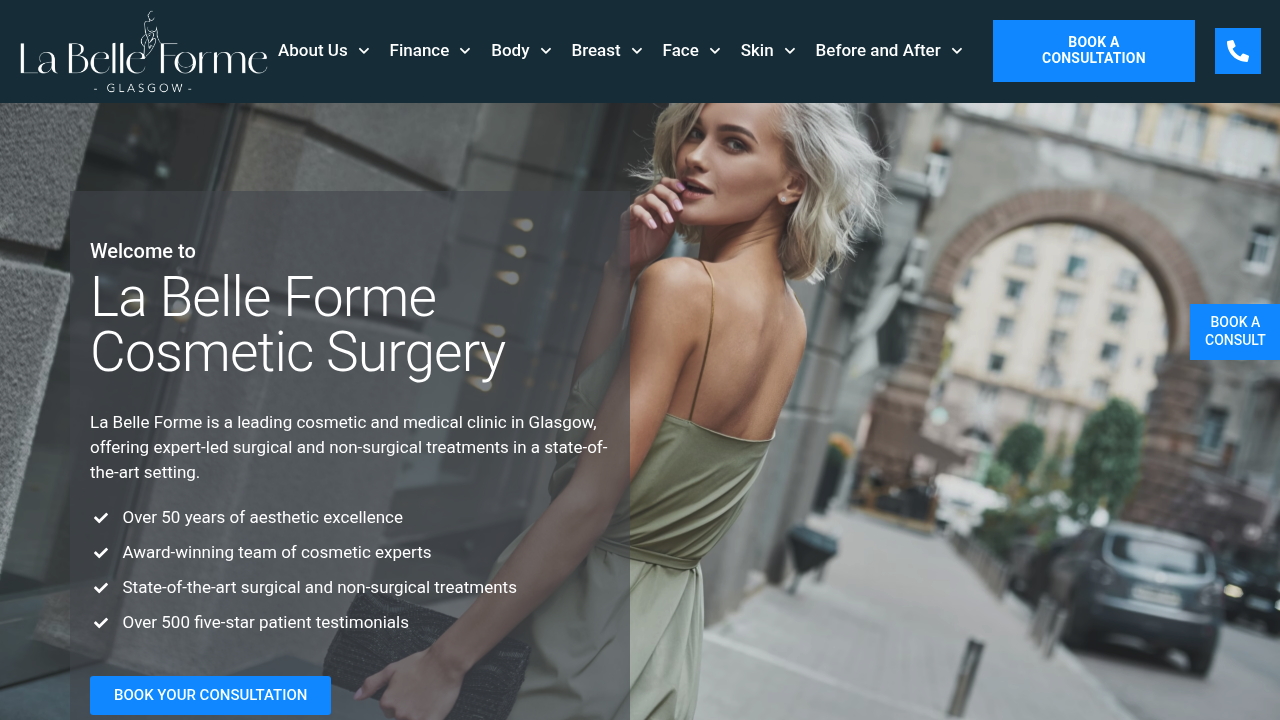
Location and accessibility
The clinic location matters more than you might think. After some treatments, you may experience swelling, redness, or tenderness, and you will need to get home comfortably. A clinic that is close to public transport or offers parking can make the experience less stressful. Also, consider whether you would feel comfortable returning for follow-up appointments. Some treatments require multiple sessions, so a convenient location can save you time and hassle. If a clinic is difficult to reach, that might affect your willingness to attend aftercare appointments, which are just as important as the initial procedure.
Aftercare and follow-up support
Good aftercare is a hallmark of a responsible practitioner. Before you book, ask what happens after the treatment. Will they provide written aftercare instructions? Can you call or message if you have concerns? Is there a follow-up appointment scheduled to check the results? Some clinics offer a review a week or two later to make sure everything has settled well. A clinic that dismisses aftercare or seems too busy to answer your questions is not one you want to trust with your face or body. Any reputable provider will have a clear policy on managing complications, should they arise.
Medical history and contraindications
A responsible practitioner will take a full medical history before any treatment. This includes asking about autoimmune conditions, blood clotting disorders, pregnancy, breastfeeding, and any medications such as blood thinners or acne treatments like isotretinoin. If a clinic does not ask these questions or tries to downplay their importance, that is a serious warning sign. Your safety depends on the practitioner understanding your health background. You should also be honest about your medical history - withholding information can lead to complications. A good practitioner will know when a treatment is not suitable for you and will tell you so directly.
Look for transparency about risks
Every aesthetic treatment carries some risk. A trustworthy practitioner will explain these risks clearly during the consultation, without minimising them. They should cover common side effects, such as bruising or swelling, as well as rarer but more serious complications, like infection, vascular occlusion, or allergic reactions. If a clinic promises a treatment with "no risks" or says it is "completely safe", that is a cause for concern. Transparency also extends to costs - the clinic should give you a clear price upfront, with no hidden fees for follow-ups or touch-ups. You have the right to know what you are paying for and what is included.

Observe the clinic environment
When you visit a clinic for a consultation, take note of the surroundings. Is the reception area clean and well-maintained? Are treatment rooms tidy and clinical-looking? Do staff wear appropriate protective gear? A professional environment reflects a professional attitude. If something feels off - dirty surfaces, expired looking products, or a general lack of organisation - trust your instinct. You are entitled to a clean, safe setting for any procedure. The same goes for the equipment: a good clinic will use single-use needles and sterile supplies, and they should be willing to show you the packaging if you ask.
Consider the practitioner's experience with your specific concern
Not all practitioners have the same depth of experience across every treatment. If you are interested in a specific procedure, such as lip filler or a chemical peel, ask how often the practitioner performs that particular treatment. Some providers specialise in certain areas, like anti-wrinkle injections for the forehead or laser hair removal for darker skin tones. A practitioner who does a high volume of a particular treatment is more likely to have refined their technique and to know how to handle complications. Do not be shy about asking how many times they have performed the procedure you are considering.
Use directories to compare clinics offering aesthetic treatments
Finding a reliable provider can feel overwhelming, especially with the number of clinics offering aesthetic treatments across the UK. One practical way to narrow your search is to use a directory that lists vetted practitioners. These directories often include information on qualifications, treatment menus, and location, which can help you compare options side by side. They also save you from having to scroll through endless search results. When you find a few candidates, go back to the earlier points - check credentials, reviews, and consultation quality - before making a decision.

Trust your gut after the consultation
After you have done your research and attended a consultation, take a moment to reflect on how you felt. Did the practitioner listen to your concerns? Did they answer your questions clearly? Did they try to upsell you on treatments you did not ask for? Your comfort level matters. A good practitioner will make you feel informed and respected, not pressured. If something does not sit right, even if you cannot put your finger on exactly what, it is okay to pause and look elsewhere. Your face and body are worth the extra time it takes to find the right person.